Your cart is emptyStart Shopping
Login
Please enter your phone number to continue
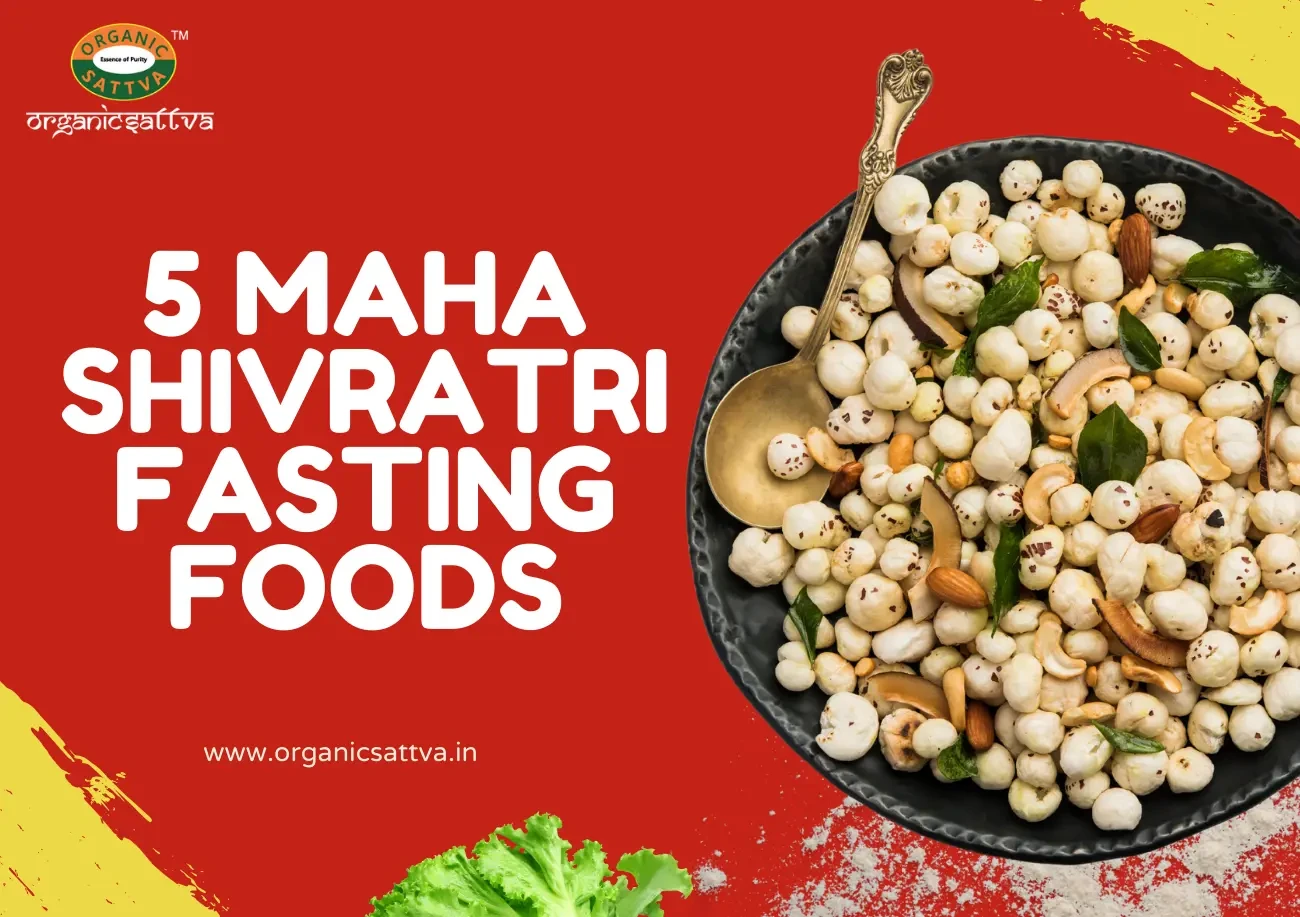
Top 5 Maha Shivratri Fasting Foods for a Healthy Vrat
Makhana
Fasting on Shivratri is not always easy. Many people want to keep the vrat properly, but by mid-day the body starts feeling weak. Head feels light. Stomach feels empty. This happens often, especially when the food choices are not right.
The problem is not the fasting itself. The problem is that the food you are eating while fasting is of the wrong kind. There are some foods that make you feel too heavy. Some foods don’t help you produce any energy whatsoever. This is the reason why many people find themselves confused about what food can be eaten while fasting on the occasion of Maha Shivratri vrat.
Choosing the right Shivratri fasting foods helps a lot. The right vrat food keeps you active, calm, and comfortable through the day. In this article, we are going to discuss certain easy, satvik food choices that actually work when observing a Shivratri Fast.
Why we eat special foods during Shivratri Vrat
When it comes to Shivratri, it’s not just about eating or starving. The regulations on the kind of food to be taken have to be followed for some reason. The idea of taking Vrat food is to keep the body light and the mind calm.
🔸 Food stays simple: Most people follow satvik food on this day. No grains, no onion or garlic. Simple food feels easier on the stomach.
🔸 Digestion slows down during fasting: If food is taken in smaller measures, the rate of digestion also decreases. That is why food prepared for observing Shivratri fast is soft, easy to digest, and light.
🔸 Energy still matters: A vrat can be long. The right fasting food for Shivratri gives enough strength without making you feel heavy or sleepy.
🔸 Focus stays on prayer: Heavy or oily food distracts the body. Light vrat food helps people stay comfortable during puja and fasting.
This is why special Shivratri fasting foods are chosen. They support the body without making one feel that they are getting in the way of the vrat.
Top 5 Healthy Foods for Shivratri Fast
When you fast, the body needs support. Not too much food. Not too little. The right Shivratri fasting foods keep you cool, active, and comfortable through the day.
➤ Sabudana Khichdi
Sabudana khichdi is eaten in many homes on Shivratri. Mostly because it gives strength quickly. When you are fasting, that matters. You don’t want to feel shaky or weak too soon.
But sabudana can turn heavy if you are not careful. Too much oil ruins it. Too many peanuts do the same. When soaked properly and cooked soft, it feels lighter. Most people eat it once, not again and again. That works better.
Best way to eat sabudana:
🔸 Fresh and warm
🔸 Small portion only
🔸 Simple taste, no extra spice
➤ Makhana (Fox Nuts)
Makhana is one of those foods that doesn’t cause trouble. You eat it, and the stomach stays calm. Raw makhana is fine. Roasted makhana with sendha namak also works.
People like makhana because it’s easy to keep nearby. Hunger comes suddenly during a vrat. You take a few pieces. That’s enough. No heaviness later. No sleepiness.
Why makhana feels right:
🔸 Light after eating
🔸 No rush to eat more
🔸 Works for short or long fasts
➤ Potatoes (Aloo Vrat Dishes)
Potatoes are allowed in most vrats. They give quick energy. This helps people who feel tired early in the day. That’s why aloo becomes a safe food for Shivratri fast.
Cooking style matters a lot here. Boiled potatoes are best. Light sabzi also okay. Deep fried ones? Not so much. When kept simple, aloo keeps hunger away and lets you move through the day without feeling drained.
➤ Curd, Lassi, or Buttermilk
During fasting, the mouth and stomach can feel dry. Curd and buttermilk help with that. They cool the body. Digestion feels easier too.
Many people take lassi or chaas once during the day. Not too much. Just enough to feel settled. These foods are part of satvik food, and they suit fasting days well.
➤ Rajgira or Singhare Ka Atta Foods
Rajgira and singhare ka atta replace normal flour during vrat. They are filling, but not too heavy. That balance helps when energy drops.
Rotis or small snacks made from these flours last longer in the stomach. You don’t feel hungry too soon. They are beneficial in cases when one needs strength but still wants to follow the rules of fasting properly.
Simple Tips to Stay Healthy During Shivratri Fast
Fasting feels much easier when the body is taken care of. Small habits help way more than people think. These tips work well with Shivratri fasting foods and keep discomfort away.
🔸 Drink water throughout the day: Even if you eat less, water is still needed. Sip slowly. Don’t wait till you feel thirsty. This helps avoid headaches and weakness during the fast.
🔸 Eat small portions, not all at once: Big meals at one time while on a fast will feel heavy. Instead, it is advisable to have little, then stop. This keeps energy steady and digestion calm.
🔸 Keep food simple and satvik: Stick to satvik food. Less spice. Less oil. Simple cooking makes fasting food easier on the stomach and mind.
🔸 Use sendha namak only: Regular salt is usually avoided during vrat. Sendha namak is lighter and commonly used in food for Shivratri fast.
🔸 Listen to your body: If you feel dizzy or too weak, rest. Fasting is not about pushing the body too hard. Health always comes first.
These small steps help make fasting smoother. When the body feels okay, the vrat feels calmer too.
Foods to Avoid During Shivratri Fast
During a fast, some foods are simply kept away. Not because they are bad, but because they feel heavy and disturb the body during vrat. Knowing what to skip makes Shivratri fasting foods easier to plan.
🔸 Normal grains and pulses: Rice, wheat, dal, and preparations made from them are normally to be avoided. These fill the stomach but become hard to digest while fasting.
🔸 Onion and garlic: These are not part of satvik food. They are avoided during Shivratri vrat as they are considered too strong for fasting days.
🔸 Normal table salt: Regular salt is skipped. Most people use sendha namak instead while preparing food for Shivratri fast.
🔸 Fried and packaged foods: Various fried foods and packaged foods can lead to heaviness and acidity. They cannot be included when fasting and hence need to be avoided.
🔸 Tea, coffee, and beers: They may dehydrate the body or cause restlessness while fasting.
Keeping these items away from the body ensures a light and easy fast. Simple choices make a big difference on vrat days.
Conclusion
It does not have to be a difficult fast for the body. If you choose the appropriate fast foods for a Shivratri fast, it will be a more relaxed fast for the body. You will feel active and will not feel heavy.
The idea here is not to eat more, but to eat right. So food for the fast on the occasion of Shivratri can actually support both in a natural manner.
FAQs
1. What food can I consume on the Shivratri fast?
Light and satvik foods are best taken. Sabudana, makhana, alu, curd, and rajgira can be consumed during Shivratri fasting.
2. Can we eat makhana on Shivratri vrat?
Yes. Raw makhana as well as slightly roasted makhana can be had during fasting.
3. What are the foods to be avoided during Shivratri fast?
Grains, pulses, onion, garlic, salt, fried foods, and packaged foods are avoided during the vrat.